Archive | Miscellaneous

Lodine

Etodolac – Lodine

The following information is NOT meant to be used to treat yourself or patients

Generic name= Etodolac

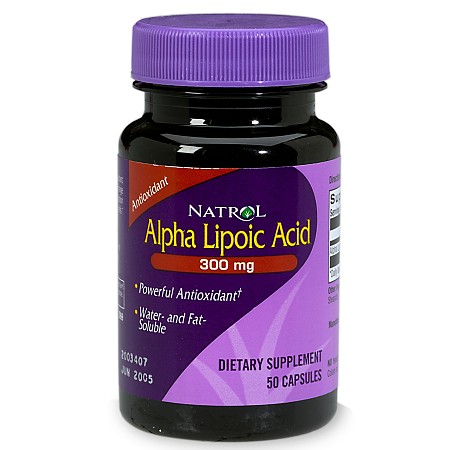
Image from Drugs.com

Trade name = Lodine

Class = anti-inflammatory

MOA

  • Blocks cyclooxygenase (COX-1 & COX-2) and thus production of prostaglandins

Dosing

  • 200, 300, 400, 500, 600-mg pills
  • Typically prescription: 200-400mg TID or QID
  • Max dose: Do not exceed 1200-mg/day

Note:

  • COX-1 normally produces prostaglandins that are gastroprotective.  Thus, blocking it can lead to gastric ulcers/bleeds.
  • Take with food or 8-oz of water
  • May increase risk of cardiovascular thrombotic events, MI, and stroke
    • Consider avoiding in patients with cardiac history
  • Absolute contraindication: ASA allergy
  • Use with caution in renal and liver impairment
Share

Related Content:

Posted in Anti-inflammatories, Etodolac - Lodine, Medications, Miscellaneous0 Comments

Opioid withdrawal man

Opioid Withdrawal Treatment

By Chris Faubel, M.D. –

The long-term use of opioid pain medications will eventually induce physiological changes that then cause withdrawal symptoms when those opioids are abruptly stopped.

This cessation of opiates can be secondary to the patient running out of their medication early, the patient voluntarily deciding to stop, or the pain physician refusing to continue opioid treatment because the patient violated the pain contract in some way.  Regardless, the end-result is the same, severe withdrawal symptoms.

  • Unlike benzodiazepine withdrawal (which can be fatal), opioid withdrawal symptoms make the patient feel like they are dying, but it is NOT deadly.
Symptoms of Opioid Withdrawal
  • Essentially the opposite of what patients experience when they are taking the opioid medications.
  • List of usual symptoms:  Nausea/vomiting, diaphoresis, anxiety, dysphoria, restlessness, chills, piloerection, tachycardia, hypertension, myalgias, diarrhea, abdominal cramping, insomnia, fatigue and more.
  • These symptoms progressively worsen up to a typical peak of 3 days after the last opioid; but this varies depending on the type of opioid, amount of opioid, and how long the patient has been using or abusing the opioid.
  • Withdrawal duration is typically 5-7 days; may be weeks for methadone use.

Treatment of Opioid Withdrawal

I will not go into the treatment of opioid addiction with methadone or Suboxone; that is for an Addictionologist to handle.

The aim at treating opioid withdrawal, is treating the symptoms.

Here is a list of the common signs/symptoms and treatment options:

Note:  The below meds are typically only prescribed for 5-7 days.

1) Myalgias

  • Acetaminophen (Tylenol):  500mg PO every 4 hours; 3-4 gram max/day
  • Naproxen (Aleve, Naprosyn):  220mg two pills PO twice a day (over-the-counter), or, 500mg PO q12 hours (prescription Naprosyn)
  • Tizanidine (Zanaflex):  4mg PO TID
2) Diarrhea
  • Loperamide (Imodium):  4-mg x 1, then 2-mg PO after each loose stool; max of 16-mg/day  – this is an opioid receptor agonist in the GI tract –> inhibits peristalsis and increases anal sphincter tone
3) Nausea/Vomiting
  • Promethazine (Phenergan):  12.5 to 25mg PO every 4 hours as needed
  • Ondansetron (Zofran):  4mg PO TID prn; even with the generic, it’s still very expensive
4) Anxiety/Dysphoria/Restlessness
  • Hydroxyzine (Vistaril):  50-100mg PO every 6 hours prn
  • Clonazepam (Klonopin):  1-mg PO TID
5) Insomnia
  • Trazodone (Desyrel):  50-100mg PO qHS prn
  • Tizanidine (Zanaflex):  4mg tablets PO 2-4 qHS prn; Can also take another 4mg pill in the morning and midday to help with muscle spasms/pains.
6) Hypertension
  • Clonidine:  0.1-0.2 mg PO TID;  patient must monitor their BP and hold a dose if <90/60;  warn patient of postural hypotension
Here is an interesting YouTube video made by a guy sharing his experience with opioid withdrawal (thought it was good to hear his personal experience):
Share

Related Content:

Posted in Adverse Effects, Miscellaneous, Opioid Withdrawal0 Comments

Constipation agony

Opioid-Induced Constipation

By Chris Faubel, M.D. –

Constipation is the most common adverse effect of long-term opioid management of pain.  It can be a very troubling issue, and is a frequent reason why opioid pain medication is stopped or changed.

Physiology

Multiple factors contribute to opioid-induced constipation.  At the heart of the issue is reduced peristalsis in the small intestine and colon.

Other possible etiologies include:

  1. Increased anal sphincter tone
  2. Increased electrolyte and water absorption –> so the stool becomes more firm, and less mobile
  3. Impaired defecation response when stool enters the rectal vault (failed relaxation on the internal anal sphincter)
Acetylcholine causes intestinal contraction
  • This is why medications with anticholinergic effects frequently lead to constipation.
  • Amitriptyline (Elavil) and Nortriptyline (Pamelor) are examples of medications commonly used in pain management that have the undesirable side effect of constipation.  We should be aware of these causes of constipation in our patient’s as well.
  • On the other hand, dicyclomine (Bentyl), is an anticholinergic drug that we use to intentionally take advantage of this intestinal relaxation effect to reduce painful abdominal spasms [for patients with irritable bowel syndrome].
  • Opioids are believed to modulate this acetylcholine activity in the intestines –> constipation

Treatment/Prevention

The most important management of opioid-induced constipation is in prevention.

Constipation is the only adverse effect of opioids that never develops tolerance over time (nausea, sedation, dizziness, and analgesia can all develop tolerance)

Prevention lies in stopping the development of firm, dehydrated stool from accumulating in the small intestines and colon with decreased motility.

1) Drinking lots of water and staying mobile/active
  • This provides the needed liquid to soften stool, and causes passive movement of the bowels via active intraabdominal pressure changes.

2) Docusate sodium (Colace):

  • Very inexpensive, over-the-counter stool softener
  • Increases secretions into the GI tract (and thus into the stool)
  • Dosing:  200-800-mg PO in divided BID doses; must drink lots of water for it to work.
  • Onset:  1-3 days
  • An alternative is docusate calcium (Surfak), which comes in 240-mg softgels.
  • This is not enough though, as these patients will still have decreased intestinal motility.
3) Lactulose
  • Osmotic laxative
  • Produce an osmotic gradient that draws fluid into the small intestines, and thus increases peristalsis of soft stool.
  • Does NOT directly stimulate the myenteric plexus to contract
  • As with Colace above, this is also sometimes given daily to prevent the development of constipation.
  • Dosing:  15-30 ml PO daily
  • Onset:  1-2 days
  • Mannitol and Sorbitol are two other osmotic laxatives, though not as frequently used.

4) Senna (Senokot, Senokot-S, Ex-lax)

  • Stimulant laxative; stimulates the myenteric plexus directly
  • Senna (generic):  15-mg tabs; start with one tab daily; MUCH cheaper than Senokot
  • Senokot comes as 8.6-mg of sennosides:  recommended dose is 2 tabs at night; max of 4 tabs BID
  • Senokot-S combines the same 8.6-mg of sennosides with 50-mg of docusate sodium to give it some stool softening effects.
  • Ex-lax:  comes as chocolate pieces or pills
  • Note: buying generic docusate sodium and generic senna is considerably cheaper than Senokot-S.
  • Onset:  6-12 hrs; depending on how quickly they work for the patient, may want to take them at night or in the AM

5) Bisacodyl (Dulcolax)

  • Stimulant laxative; stimulates the myenteric plexus directly
  • Dosing:  5-10mg (1-2 tabs) each day
  • Onset:  6-12 hrs; may give at night depending on how quickly they work.
  • Also comes in a 10-mg suppository (not ideal for daily use in patients that can swallow).  Works in 60 minutes.
4) Magnesium citrate
  • Laxative
  • Generic; over-the-counter
  • NOT used for prevention.  Best for treatment of resistant constipation.
  • Dosing:  150-300 ml in divided doses
  • Onset:  1-6 hrs

5) Polyethylene Glycol (Miralax)

  • Osmotic laxative
  • Liquid that is dissolved in 8 ounces of water
  • Dosing:  17 grams (one TBSP) daily for prevention.
  • Onset:  1-2 days
  • For a quicker effect, it can be given every 2 hours until a large bowel movement (for the treatment of constipation).
6) Methylnaltrexone (Relistor)
  • Naltrexone is a pure opioid antagonist.
  • In it’s methylated form, naltrexone blocks the opioid effects in the gut, without crossing the blood-brain barrier, and therefore, without blocking opioid analgesic effects in the brain.
  • Works only for opioid-induced constipation
  • Subcutaneous injectable
  • Dosing:  Depends on the patient’s weight.  Go here for the details.
  • Onset:  30 minutes to 4 hours
7) Fiber (Psyllium/Bran)
  • NOT a good option for patients with opioid-induced constipation
  • While fiber is a great option for patients with constipation and normal peristalsis, in a patient with opioid-induced constipation, the reduced peristalsis will cause the stool to bulk up and not move.  This may predispose to the patient to bowel obstruction/impaction.
Share

Related Content:

Posted in Adverse Effects, Miscellaneous, Opioid Constipation0 Comments

NSAID COX1 and COX2 ratio

Ketorolac – Toradol

The following information is NOT meant to be used to treat yourself or patients

  • Generic name = Ketorolac

    Source: buyemp.com

  • Trade name = Toradol
  • Class = anti-inflammatory
  • MOA
    • Blocks cyclooxygenase (COX-1 & COX-2) and thus production of prostaglandins
    • In vitro, ketorolac is the most COX-1 predominant NSAID (click here)
  • Advantages
    • When used IM or IV, it is the go-to NSAID for acute relief of severe pain
  • Dosing
    • Availability:  10-mg pills; 15, 30, 60-mg vials
    • Typically given as a one-time IM/IV dose of 60-mg or 30-mg, or multi-dosed as 30-mg IM/IV q6h or 15-mg q6h
    • If given as PO route, 10-mg PO q6h
    • Max dose: Do not exceed 120-mg IV/IM per day, or 40-mg PO per day
    • Max of 5 consecutive days
    • Renal insufficiency dosing:  15-mg IV/IM q6h; do not exceed >60-mg/day
    • Advanced renal impairment:  contraindicated
  • Note:
    • COX-1 normally produces prostaglandins that are gastroprotective.  Thus, blocking it can lead to gastric ulcers/bleeds
    • Take with food or 8-oz of water
    • May increase risk of cardiovascular thrombotic events, MI, and stroke
      • Avoid in patients with cardiac history
    • Absolute contraindication: ASA allergy
Enhanced by Zemanta
Share

Related Content:

  • No Related Posts

Posted in Anti-inflammatories, Ketorolac - Toradol, Medications, Miscellaneous0 Comments

Doctor Shopping

Definitions Related to the Use of Opioids in Pain Medicine

By Chris Faubel, M.D. -

Listed below:  Addiction, Pseudoaddiction, Opioid-induced hyperalgesia, Tolerance, Pseudotolerance, Physical dependence, Diversion, Doctor-shopping

Source: blog.drfirst.com

Addiction

  • A biopsychosocial process that results in compulsive and harmful useof opioids.
  • Characterized by continued use of the narcotics despite harm to self, cravings, and compulsive/impaired use of the meds.  The “harm” can be physical, mental, or social.
  • Examples:
    • A patient is prescribed OxyContin 40mg one pill every 12 hours for his chronic low back pain.  Instead of taking it as prescribed, the patient will have cravings for the medication pain relief (and high), such that he takes it every 4 hours until he runs out, and then goes and steals money to buy more off the street.
    • Or, this same patient is taking so much Roxicodone that he can not stay awake.  His boss at work informs him that his lethargy and tardiness is not acceptable and that further behavior like this will result in his termination of employment.  The patient continues this Roxicodone use “despite harm” and loses his job.
    • Patient crushes the opioid, dissolves it in water, and injects it to get that rapid euphoria. [impaired use]
    • Isolation from family and friends because of the intense focus on “scoring” and aberrantly-taking more narcotics.

Pseudoaddiction

  • Term used to describe patients that have some of the same actions as seen in addiction, but this time it’s because the patient’s pain is truly undertreated.
  • Patients will become obsessed with watching the clock (til their next scheduled dose), and may even doctor shop to obtain enough medication to adequately treat their pain.
  • May even use illicit drugs to reach the needed pain relief.
  • This can be distinguished from true addiction, by the fact that the above actions stop when the patient’s pain is effectively treated.

Opioid-induced Hyperalgesia

  • Paradoxical increase in atypical pain that is unrelated to the original painful stimulus — occurs after prolonged opioid use
  • Increased sensitivity to pain.
  • Will see worsening of the hyperalgesia if you increase the dosage of the current opioid. [as opposed to a reduction in pain if the patient developed tolerance]

Tolerance

  • A physiologic state of adaptation in which the use of an opioid medication induces changes that result in diminished drug effects over time.

A need for increasing opioid dosages over time to maintain the same level of pain relief; and this need can NOT be explained by disease progression.

  • With opioids, it could be their analgesic effect, or even the adverse drug effects such as sedation, nausea, or dizziness.  Patients rarely develop a tolerance to the constipation effect of opioids.
  • Proposed mechanisms:  (1) Opioid receptor desensitization;  (2) Receptor down-regulation

Pseudotolerance

  • A falsely diminished effect of opioids that is NOT due to a physiologic process.
  • This perceived decreased benefit from the opioid dose is a result of:
    • Increased physical activity by the patient
    • New/progressed pathology (i.e. increased nerve root compression)
    • Lack of compliance with the dosing schedule (patient not taking the medication as frequently or regularly as prescribed)
    • Change in medication formulation (many patients have noted this with the newest OxyContin formulation)

Physical Dependence

  • A normal biological effect that results in withdrawal signs and symptoms when the opioid is suddenly stopped, the dose is rapidly reduced, or an opioid antagonist is given to the patient.
  • This will happen to anyone that has used opioids consistently.
  • Also seen with many other drug classes, such as corticosteroids, antidepressants, alcohol, benzodiazepines, and beta blockers.
  • NOT associated with an addiction disorder
  • Patients may fear these withdrawal effects so much that they continue to express the need for the opioids despite resolution of their actual pain.  This does not necessarily mean the patient is “addicted”; if the weaning of the medication is done slowly enough, and with supportive medications to handle any adverse effects, the patient will be able to tolerate the process and not fear life without their opiates.

Diversion

  • A patient intentional giving or selling their medication to others.
  • For example:  A patient getting their monthly script filled for Opana ER and IR, keeping enough for themselves so they pass their urine and blood screening (or enough to handle their true pain), and selling the rest for monetary gain.
  • This can be possibly thwarted by calling the patient into the office for random pill counts throughout the year (between office visits).  A patient can always try to find a dealer to sell or loan them enough meds to have a normal pill count, but this would still be a way to minimize this diversion activity.

Doctor-shopping

  • A patient receiving controlled medications from multiple physicians unbeknownst to each doctor.
  • For example:  A patient establishes a doctor-patient relationship with multiple doctors to get his low back pain treated with prescriptions of Percocet.  Now that patient has multiple providers writing for controlled medications that he then gets filled at different pharmacies around the state.
  • Prescription drug monitoring programs (PDMP) have been great at exposing these individuals.  After logging in to the states monitoring system online, patient information (such as name, SSN, date of birth) is put into the computer, and a list of controlled prescriptions that were filled at every pharmacy in the state is displayed (along with the physician’s name that prescribed them).  This allows a physician to see if his/her patient is receiving the same or similar opioids from multiple providers.  Unfortunately, not all states have a system like this.  Click here for a list of states with a PDMP.
Share

Related Content:

Posted in Definitions in Pain, Miscellaneous0 Comments

Omnipaque 300

Radiopaque Contrast Use In Pain Medicine

Omnipaque - Iohexol (non-ionic)

By Chris Faubel, M.D. -

Radiopaque contrast agents are used by pain physicians during fluoroscopically-guided injections and other pain procedures (kyphoplasty, discography).  Their use is essential for confirming needle tip placement for eventual corticosteroid/local anesthetic administration, and to rule out inadvertent intravascular placement of the needle.

Click here for a great video of contrast being injected to confirm correct placement for a transforaminal epidural

The contrast agents are radiopaque because of the iodine content in the solution.  This iodine doesn’t allow penetration of x-rays, and therefore shows up as blackness (opaque) on the fluoroscopy monitor.  Because it is more black than other structures being x-rayed, it is easy to visualize the spread of the contrast agent.  This spread then allows the pain physician to know where the injectate (usually a corticosteroid and anesthetic) will also flow.

These radiocontrast agents can be divided into two categories: 1) Non-ionic.   2) Ionic

  • The non-ionic agents are more hydrophilic, have a lower osmolality, and therefore produce fewer adverse effects (less risk of arachnoiditis or allergic response).  Because of this, we only use non-ionic contrast agents.

The most commonly used contrast agents in pain medicine are iohexol (trade name = Omnipaque) and iopamidol (trade name = Isovue).  These two solutions have a low concentration of iodine (200-300mg/ml), which makes them safe, yet still create good imaging contrast.

Clinical pearl: You can dilute the contrast agent with sterile, normal saline (by up to 25%) and still get sufficient darkening when injected.

Allergies to Shellfish (shrimp, crawfish, lobster, crabs)

  • It has long been medical folklore that patients allergic to shellfish, would also be allergic to iodinated contrast agents because both contained iodine, and therefore there would be cross-reactivity.
  • It has since been shown that the antigenic property of shellfish is actually a particular protein, not the iodine.  [1]
Allergy Skin Testing
  • Injecting a small volume of non-ionic radiocontrast subcutaneously is NOT helpful in predicting whether that patient will have adverse reactions during a procedure.
Adverse Reactions
  • Mild reactions: urticaria (raised, itchy hives), pruritus; rhinorrhea; nausea, brief retching, and/or vomiting; diaphoresis; coughing; and dizziness.
  • Moderate reactions: more vomiting, wider spread urticaria, mild bronchospasm, facial edema, hypotension
  • Severe reactions: hypotension, severe bronchospasm, laryngeal edema, pulmonary edema, seizures, syncope, and death.
  • All of the above are much more common with ionic contrast agents, not the nonionic agents we use in pain medicine.
  • A very large case study in Japan in 1990 (337,647 cases), compared high-osmolar ionic contrasts to low-osmolar nonionic agents (like the Omnipaque and Isovue above).  They found that severe adverse drug reactions to the contrast occurred in 0.22% of the ionic and only 0.04% of the nonionic contrast media. [2]
  • In a large prospective study, the incidence of severe reactions was found to be 0%. [3].  However, in this same study, adverse effects of any severity was seen in 0.7% of patients.
  • Patients with a seafood allergy have a slightly greater risk of having an adverse reaction (of any severity) to IV contrast.  But it should be noted that this correlation was only shown with ionic contrast (which we don’t use), and that the increased risk is roughly the same as patients with allergies to eggs, milk, chocolate, strawberries, or those with asthma.  Also, 85% of patients with a seafood allergy had no adverse reaction at all to the ionic IV contrast. [7]
Gadolinium Contrast as an Alternative
  • For patients with a true history of severe allergic reaction after a prior nonionic contrast administration, gadolinium contrast (usually used as MRI contrast) can be used safely and effectively [4].
Pretreatment Options
  • Some physicians recommend just pretreating patients that are high-risk for adverse reactions, or have had adverse reactions in the past.
  • Three pretreatment regimen examples:
  1. Oral prednisone 20-50 mg, ranitidine (Zantac) 50 mg, and diphenhydramine 25-50 mg orally 12-24 hours prior to exposure by injection. An additional 25 mg of diphenhydramine can be given by IV immediately before contrast injection. [5]
  2. Methylprednisolone 32mg orally 12 hours and 2 hours before the injection. [6]
  3. Oral prednisone 50mg at 13, 7, and 1 hour before contrast injection, with Benadryl 50mg IV, IM, or PO, 1 hours before the contrast. [6]


References:

1) Andreas L. Lopata, and Samuel B. Lehrer.  New Insights Into Seafood Allergy.  Curr Opin Allergy Clin Immunol. 2009;9(3):270-277.

2) Katayama H, Yamaguchi K, Kozuka T, et al. Adverse reactions to ionic and nonionic contrast media. A report from the Japanese Committee on the Safety of Contrast MediaRadiology. Jun 1990;175(3):621-8.

3) Wolf GL, Arenson RL, Cross AP. A prospective trial of ionic vs nonionic contrast agents in routine clinical practice: comparison of adverse effects. AJR Am J Roentgenol. May 1989;152(5):939-44.

4) Safriel Y, Ali M, Hayt M, Ang R. Gadolinium use in spine procedures for patients with allergy to iodinated contrast–experience of 127 procedures.  AJNR Am J Neuroradiol. 2006 Jun-Jul;27(6):1194-7.

5) Anthony H Wheeler. Therapeutic Injections for Pain Management. Medscape.com. Aug 3, 2011.

6) Pradeep Chopra and Howard Smith.  Contrast Agents for the Interventional Pain Physician.  Pain Physician. Vol. 7, No. 4, 2004

7) Beaty AD, Lieberman PL, Slavin RG.  Seafood allergy and radiocontrast media: are physicians propagating a myth? Am J Med. 2008 Feb;121(2):158.e1-4.


Share

Related Content:

Posted in Basic Science, Miscellaneous, Radiopaque Contrast0 Comments

Savella – Milnacipran

SNRIs in Pain Medicine

By Chris Faubel, MD –

Serotonin-Norepinephrine Reuptake Inhibitors (SNRIs) have gained popularily with pain physicians in the treatment of neuropathic pain and fibromyalgia in recent years.

The first SNRI, venlafaxine (Effexor), has been joined by an ever-increasing number of others (see list below).

Mechanism of action

  • As a class, they all increase the amount of serotonin (S) and norepinephrine (NE) in the brain.
  • By decreasing the reuptake of these two neurotransmitters after they’ve been release from the presynaptic terminals, the SNRIs allow the S and NE to remain in the synaptic cleft longer, thereby giving them a longer chance to bind to postsynaptic receptors.
  • These medications differ from each other in the relative reuptake inhibition ratio of serotonin and norepinephrine.  See below for the differences.
It is this increase in NE that is believed to be the reason why SNRIs are more effective than SSRIs in treating pain.
Serotonin syndrome is an adverse effect that is possible with all SNRIs.  Learn out what other medications will increase the risk, how to diagnose it, and how to treat it.  Click here

Venlafaxine (Effexor)

  • Uses(off-label) [2]
    • Neuropathic pain (diabetic neuropathy)
    • Migraines (prophylactic)
    • Tension headaches
    • Chronic pain syndromes
    • Fibromyalgia [1]
    • Chronic fatigue syndrome
  • Increases serotonin much more than norepinephrine (S>>>NE)
    • 75mg BID is believed to only increase serotonin –> better for depression
    • 150-300mg/day (in BID or TID dosing) will increase both S and NE
  • Dosing
    • Immediate-release formulation: Start with 37.5mg BID, and increase every 4-7 days (if tolerated) [max of 100mg TID]
    • Extended-release: Start 37.5 to 75mg daily, and increase by 75mg every 4-7 days [max of 225-mg]
    • Note: taper dose over 2-weeks to discontinue

Desvenlafaxine (Pristiq)

  • The active metabolite  of venlafaxine.
  • Not used as commonly in pain medicine

Duloxetine (Cymbalta)

  • Uses(FDA-approved)
    • Diabetic painful peripheral neuropathy
    • Fibromyalgia
    • Major depressive disorder and generalized anxiety disorder
  • The effectiveness in treating fibromyalgia are independent of whether the patient also has depression. (3)
  • Thought to have a more NE reuptake effects than venlafaxine, but still less NE than S.   (S > NE)
  • Dosing
    • Start with 60mg daily.
    • May be better to start with 30mg daily for a week to minimize side effects.
    • Taper dose gradually to discontinue
  • Adverse effects
    • Weight gain (with long-term use)
    • Nausea (seen early in course, but tends to resolve)
    • Liver toxicity (in patients with pre-existing liver disease)
    • Increased blood pressure (because of the increase in NE reuptake)

Milnacipran (Savella)

  • Uses(FDA-approved)
    • Fibromyalgia
    • Also used for major depressive disorder in other countries
  • 3:1 norepinephrine to serotonin reuptake inhibition ratio (Note: this is the only SNRI which has more effect on NE reuptake than S) (NE>>>S)
  • Dosing
    • Titrated up slowly to minimize adverse effects.
    • Starter pack includes pills for:  12.5mg x 1 day, then 12.5mg bid x 2 days, then 25mg bid x 4 days, then 50mg bid.  Max dose of 100mg bid.
    • Note: Many practitioners are now doubling the length of time to titrate up.  So, instead of 12.5mg for 1 day, they recommend 12.5mg for two days.  Therefore, instead of getting up to 50mg bid in 7 days, it would now take 14 days.
    • Taper dose gradually to discontinue
  • Adverse effects(most common)
    • Nausea, headache, constipation, dizziness, insomnia, hot flush, hyperhidrosis, vomiting, palpitations, heart rate increase, dry mouth, and hypertension.
    • More caution with patients that are already hypertensive, because of the increased norepinephrine reuptake inhibition.
  • Absolute contraindications
    • Migraine patients taking triptan medications (ex: sumatriptan, rizatriptan, zolmitriptan, etc)
    • Pregnancy
    • Caution with advanced renal disease (use a smaller dose)

Resources:

1) Venlafaxine Treatment of Fibromyalgia:  http://www.ncbi.nlm.nih.gov/pubmed/14565792

2) http://www.emedexpert.com/facts/venlafaxine-facts.shtml

3) http://www.emedexpert.com/facts/duloxetine-facts.shtml

Share

Related Content:

Posted in Miscellaneous, SNRIs0 Comments

Medication mixture – Serotonin Syndrome

Serotonin Syndrome

By Chris Faubel, MD –

aka. “serotonin toxicity”, “serotonin storm”, “serotonin sickness”

An important adverse drug effect that is relevant to our field of pain medicine, because many of the medications that can cause this are either prescribed by us, or those which our patient population is also taking (antidepressants).

A potentially life-threatening adverse drug effect (usually a drug-drug synergistic effect) due to excessive serotonergic activity in the CNS and PNS.

Symptoms (*most important signs are bolded below) 

  • Can occur within minutes
  • Mild symptoms: tachycardia, shivering, sweating, dilated pupils, myoclonushyperreflexiaincreased muscle tone (think sympathetic)
  • Moderate: hyperthermia, overactive bowel sounds, hypertension, agitation, mental confusion, hallucinations
  • Severe: higher tachycardia, higher hypertension, higher temperature (106 F), seizures, renal failure, rhabdomyolysis.
Diagnosis
  • Made by signs and symptoms above, and looking at the patient’s list of medications.
  • Ask the patient about medications started or dosages increased recently.
  • No diagnostic tests

Treatment

  • Discontinuing some medications that may be causing this.
  • This is essentially a medical emergency and needs to be managed in a hospital (even though mild cases that just began may improve with discontinuation of the serotonergic medications).
  • Here is a case report and explanation of serotonin syndrome, the diagnosis, and the treatment.  Click here
Common culprits in pain medicine
  • Cyclobenzaprine, tramadol, SSRIs, MAOIs, triptans, trazodone, opioids (esp. meperidine, fentanyl), CNS stimulants (methylphenidate).
  • Remember natural supplements like St. John’s Wort and tryptophan too.
  • Some of the above are a minor risk to combine (like tramadol and cyclobenzaprine), whereas others are more risky (SSRI with a SNRI)

As pain physicians, we need to be aware of this unfortunate adverse effect and be able to warn our patients of what to look out for.

Also, our office staff needs to be educated enough to make a preliminary diagnosis over the phone, recognize the emergent need for medical help, and inform us immediately.


Share

Related Content:

Posted in Adverse Effects, Miscellaneous, Serotonin Syndrome0 Comments

Acetaminophen

Acetaminophen in Pain Medicine

By Chris Faubel, MD –

Source: mountainside-medical.com

Names: acetaminophen / paracetamol (Tylenol)

  • Combinations with opioids
    • with tramadol = Ultracet
    • with hydrocodone = Norco, Vicodin, Lortab
    • with oxycodone = Percocet

Mechanism of Action - Analgesic

  • Weak inhibitor of prostaglandin synthesis centrally [1]
  • Has other analgesic mechanisms at the spinal cord and cerebral cortex [4]

Uses

  • Drug of choice for relieving mild to moderate musculoskeletal pain (especially osteoarthritis)
  • Acute migraine headaches:  paracetamol 1,000-mg + metoclopramide 10-mg (Reglan) is as effective as sumatriptan 100-mg [5]

Benefit over NSAIDs

  • Does NOT interfere with the anti-platelet effect of aspirin (as ibuprofen does) – no increased risk of stroke
  • Does NOT cause renal or gastrointestinal problems

Synergistic Action

Source: www.australianprescriber.com/magazine/33/4/113/5

  • The combination or concurrent use of acetaminophen with various opioid analgesics (oxycodone, tramadol, etc.) has shown synergistic effects. [3] See the image below.
  • Brings together two different but complimentary mechanisms of analgesic action.
  • Benefit: Lower individual drug doses

Metabolism

  • Microsomal enzyme system in the liver (shared by other analgesics, anticonvulsants, antibiotics, and other drugs) – including the P450
  • When taken in normal doses in healthy patients, all metabolites are eventually broken down to non-toxic end products.
  • If the patient  is a “rapid metabolizer”, takes too much, or is a chronic alcohol abuser, the metabolite “NAPQI” accumulates and is toxic to hepatocytes.
    • Glutathione in the hepatocytes normally conjugates the NAPQI to make it non-toxic.
    • Chronic alcohol abuse (3 drinks per day) induces microsomal enzymes leading to a quicker production of NAPQI (patient’s glutathione can’t keep up).
  • Excretion = urine

Overdose

  • The most common cause of acute liver failure [2]
  • Accidental overdoses are frequent because acetaminophen/paracetamol is found in many OTC products for the treatment of the flu, colds, and menstrual cramps. [for a list of products, click here]
  • Treated most commonly with intravenous N-acetylcysteine.
    • Acetylcysteine is a glutathione precursor.
  • Dosing (for older children and adults)
    • 325 to 650mg every 4-6 hours
      • Do NOT exceed
        • 4,000-mg in a 24-hour period
        • a single dose >1,000-mg
        • doses near 4,000-mg per day for > 10 days
        • a 2,000-mg daily limit in chronic alcohol abusers
    • In 2009, an FDA Advisory Panel recommended limiting the maximum daily dose to 3,000-mg, banning its combination with opioids (such as Vicodin and Percocet), and many other actions, but these are still being debated by the FDA.

REFERENCES:
1 – Graham et al.  “Mechanism of action of paracetamol”.  Am J Ther. 2005 Jan-Feb;12(1):46-55.

2 – Ostapowicz et al. “Results of a prospective study of acute liver failure at 17 tertiary care centers in the United States”  Ann Intern Med. 2002 Dec 17;137(12):947-54.

3 – Gatti et al.  ”Oxycodone/paracetamol: a low-dose synergic combination useful in different types of pain”  Clin Drug Investig. 2010;30 Suppl 2:3-14

4 – Loes, MW. (2005) “Chapter 10: Acetaminophen and Nonsteroidal Anti-Inflammatory Drugs”  Pain Medicine and Management: Just The Facts.  The McGraw-Hill Companies, Inc.

5 – Derry et al. “Paracetamol (acetaminophen) with or without an antiemetic for acute migraine headaches in adults”  Cochrane Database Syst Rev. 2010 Nov 10;11:CD008040.

Share

Related Content:

Posted in Acetaminophen, Basic Science, Miscellaneous0 Comments

Learning to Read MRI of the Spine

These videos are produced by Dr. Donald S. Corenman, M.D., D.C. at the Vail Spine Institute.  The target audience is clearly patients, not pain specialists, but these videos are still good to use to teach residents, fellows, and inquiring patients.

Share

Related Content:

Posted in Basic Science, Miscellaneous, MRI, Spinal MRI Reading0 Comments

Share

TPS YouTube Videos

About ThePainSource.com

ThePainSource.com was started to provide pain medicine information on neuromusculoskeletal conditions, interventional pain procedures, journal article reviews, and other clinically-relevant information to physicians and other healthcare providers specializing in the treatment of patients with pain.