
Tag Archive | "osteoarthritis"

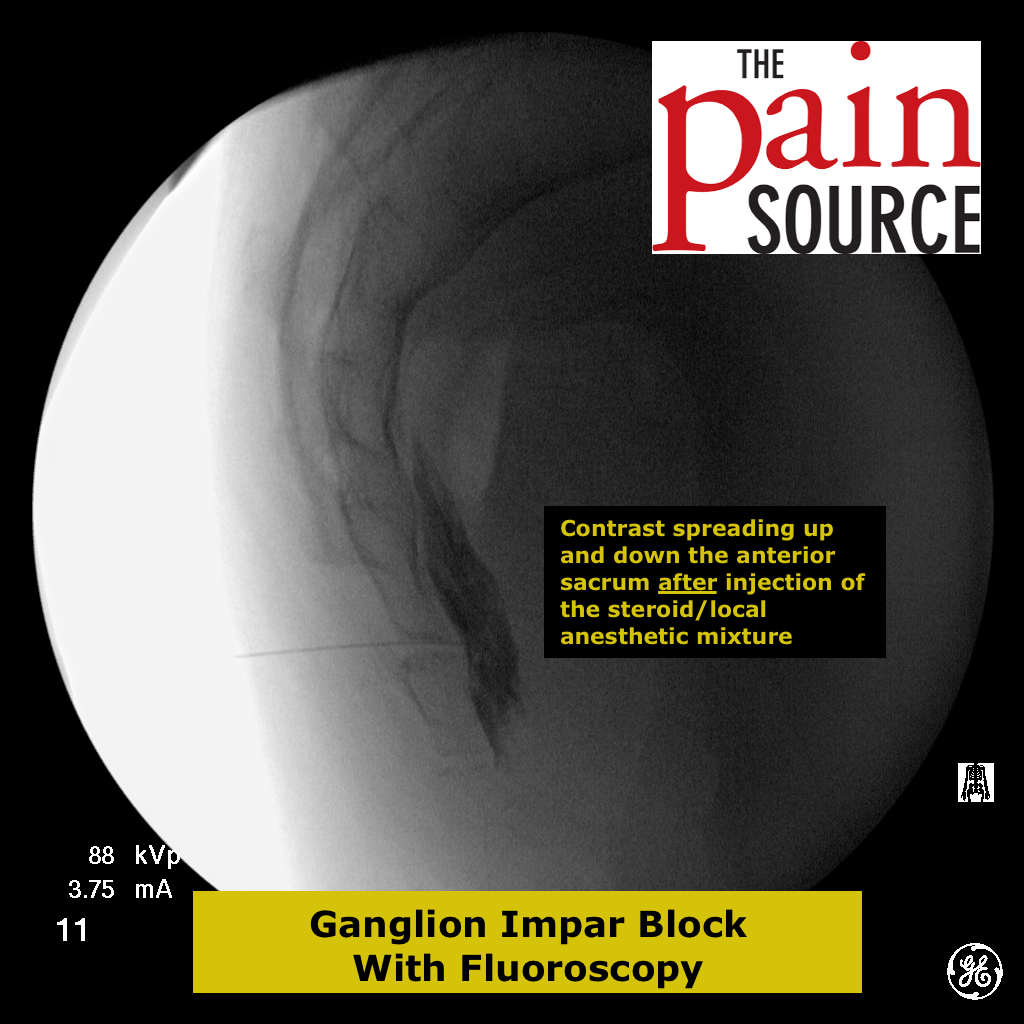
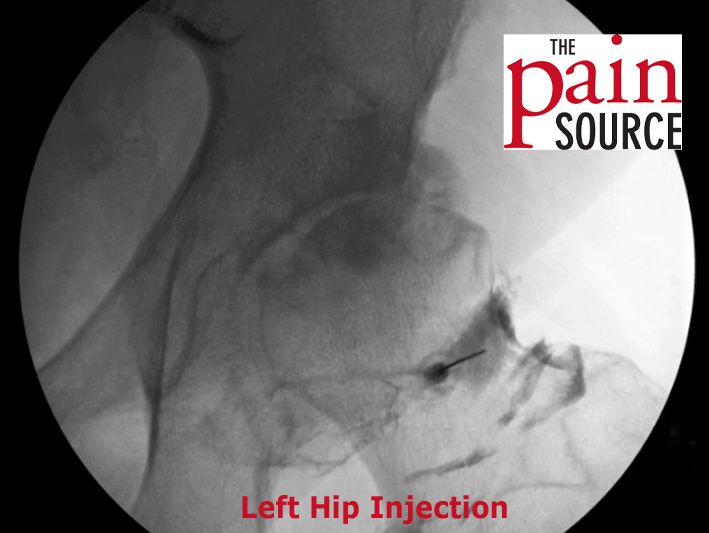
Hip Injection under Fluoroscopy

VIDEO: Hip Intraarticular Steroid Injection Under Fluoroscopy

By Chris Faubel, M.D. –

Left Hip Injection under Fluoroscopy

Video of a left hip intraarticular steroid injection under fluoroscopic guidanceClick the black title link above (if you can’t see the video).

Share

Related Content:

Posted in Hip, Interventional Procedures, VideosComments (0)

Ultrasound – Proximal Interphalangeal Joint Exam

Transducer: SonoSite L25

Share

Related Content:

Posted in Hand/Wrist, PIP Joint, Scanning Technique, UltrasoundComments (0)

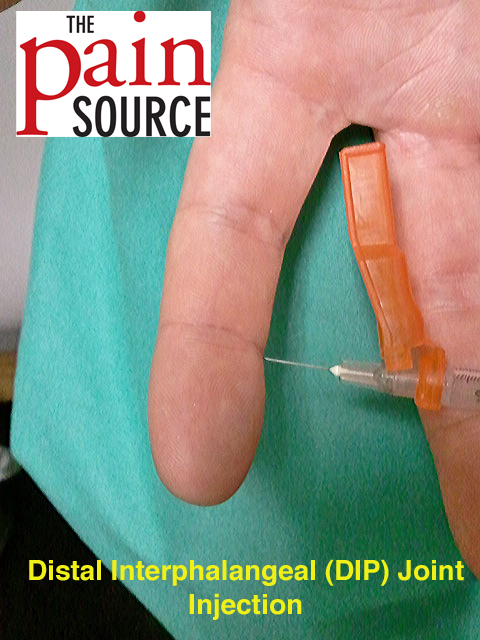
Distal Interphalangeal (DIP) Joint Injection

Distal Interphalangeal (DIP) Joint Injection – Technique and Tips

By Chris Faubel, MD –

aka. “DIP injection”

Just need to get the needle under the joint capsule.

Indications

  • Osteoarthritis (painful) of the distal interphalangeal (DIP) joint
  • Rheumatoid arthritis of the distal interphalangeal (DIP) joint
  • **see all ICD-9 and ICD-10 codes at end of post

CPT code: 20600Arthrocentesis, aspiration and/or injection; small joint or bursa (eg, fingers, toes)”

Read the full story

Share

Related Content:

Posted in Distal Interphalangeal, Procedures, Upper ExtremityComments (1)

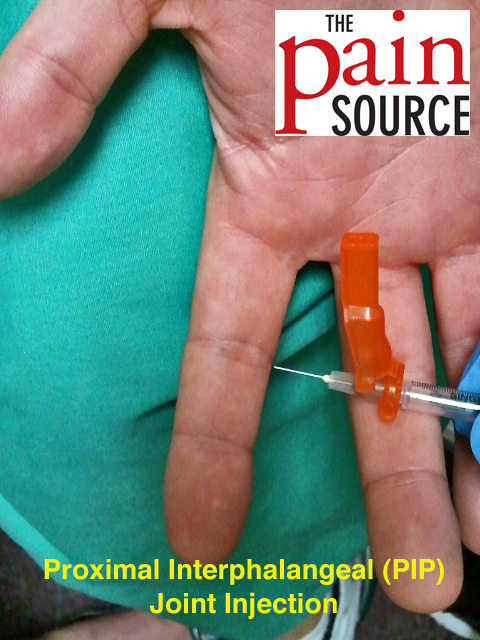
Proximal Interphalangeal (PIP) Joint Injection

Proximal Interphalangeal Joint Injection – Technique and Tips

By Chris Faubel, MD –

Just need to be beneath the joint capsule. Don't try to get into the middle of the joint.

aka. “PIP injection”

Indications

  • Osteoarthritis (painful) of the proximal interphalangeal (PIP) joint
  • Rheumatoid arthritis of the proximal interphalangeal (PIP) joint
  • **see all ICD-9 and ICD-10 codes at end of post

CPT code: 20600Arthrocentesis, aspiration and/or injection; small joint or bursa (eg, fingers, toes)”

Read the full story

Share

Related Content:

Posted in Procedures, Proximal Interphalangeal, Upper ExtremityComments (0)

First Metatarsophalangeal Joint Steroid Injection

First Metatarsophalangeal Joint Injection – Technique and Tips

By Chris Faubel, MD –

Just need to get the needle under the joint capsule, not necessarily inside the joint.

aka. “Great toe injection”, “Big toe injection”

Indications

  • First metatarsophalangeal (1st MTP) joint painful osteoarthritis
  • Gout (in the “great toe” joint) — most common location
  • Turf Toe
  • **see all ICD-9 and ICD-10 codes at end of post

CPT code: 20600Arthrocentesis, aspiration and/or injection; small joint or bursa (eg, fingers, toes)”

Materials Needed

  • Pen – clicking type
  • Gloves – non-sterile
  • Alcohol swabs (or povidone-iodine)
  • Band-aid
  • Tuberculin needle/syringe OR 1-ml syringe with 25-gauge 5/8″ needle (depending on body habitus)
  • Injectate
    • 0.5-ml of 40mg/ml Depo-Medrol or Kenalog (or 0.5ml of 6mg/ml Celestone)
    • 0.5-ml of 1% lidocaine

Technique / Procedure Steps

  1. Always start with informed consent from the patient, and then a time-out to verify correct patient and injection site.
  2. Mark the injection site with the pen tip in order to leave an impression in the skin.
  3. Clean the skin thoroughly with as many alcohol swabs as needed (usually only 1-2 are needed).
  4. Patient position: Perform lying supine with the foot off the end of the table, OR, supine with knee bent and foot flat on the table.
  5. With the tuberculin needle/syringe, enter perpendicular to the skin.  If bony resistance is met, redirect the needle until you feel you are inside the joint.  Note: Ultrasound may be needed if extensive osteophytes make it difficult to find an entry path.  Also, the needle tip does NOT need to be inside the joint; just under the capsule surrounding the joint.
  6. Aspirate to make sure you’re not in any vessel.
  7. After negative aspiration, inject the full contents of the syringe.  Should flow easily.
  8. Withdraw the needle after syringe if fully empty, and apply band-aid.

Tips

  • Finding the injection site
    • Can palpate the joint space best on the medial surface.
    • May help to distract the phalanx distally to open the joint space.
  • Numbing the skin
    • Find out all about “Taking the Sting Out” (of injections) by going here.
    • Since I use a tiny tuberculin needle, most patients have no problem with the injection and don’t need any extra lidocaine skin wheal or freezing spray.
      • I tell them numbing the skin with lidocaine will probably hurt more than the actual injection.
      • Because this is a sensitive area, ethyl chloride “numbing” spray may be used.
  • After the injection
    • Have the patient move their toe around while you throw away supplies.
    • Then, re-mobilize the 1st MTP joint so they can see the immediate results of the lidocaine.
    • Explain to the patient that the lidocaine will wear off in an hour or so, and that they will be back to their normal pain until the steroids start kicking in (anywhere from 1-7 days).
    • May also ask the patient to not do much activity on that foot for 12-24 hours.

Diagnostic Codes

  • First metatarsophalangeal (1st MTP) joint painful osteoarthritis
    • ICD-9 codes:
      • 715.17 “osteoarthrosis, localized, primary, ankle and foot”
      • 719.47 “pain in joint, ankle and foot
    • ICD-10 codes:
      • M19.071 “primary osteoarthritis, right ankle and foot”
      • M19.072 “primary osteoarthritis, left ankle and foot”
      • M79.674 “pain in right toe(s)
      • M79.675 “pain in left toe(s)
  • Gout (in the big toe joint)

    • ICD-9 code:
      • 274.0 “gouty arthropathy”
      • 274.9 “gout, unspecified”
    • ICD-10 code:
      • M1a.071 “idiopathic chronic gout, right ankle and foot”
      • M1a.072 “idiopathic chronic gout, left ankle and foot”
      • M10.071 “idiopathic gout, right ankle and foot”
      • M10.072 “idiopathic gout, left ankle and foot”
  • Sprain of first metatarsophalangeal joint (turf toe)
    • ICD-9 code:
      • 845.12 “sprain of metatarsophalangeal (joint) of foot”
    • ICD-10 code:
      • S93.5 “sprain and strain of toe(s)”
Share

Related Content:

Posted in 1st Metatarsophalangeal Joint, Lower Extremity, ProceduresComments (0)

Knee Joint Steroid Injection – alternate view

Intraarticular Knee Joint Injection – Technique and Tips

By Chris Faubel, MD –

Medial Approach. Advance needle at about 15-20 degrees from midline.

Indications

  • Osteoarthritis of the knee
  • Rheumatoid arthritis of the knee
  • Gout (in the knee)
  • Calcium pyrophosphate dyhydrate (CPPD)
  • **see all ICD-9 and ICD-10 codes at end of post

CPT code: 20610 “Arthrocentesis, aspiration and/or injection; major joint or bursa”

Read the full story

Share

Related Content:

Posted in Knee Joint, Lower Extremity, ProceduresComments (0)

Acromioclavicular Joint Steroid Injection

Acromioclavicular Joint Injection – Technique and Tips

By Chris Faubel, MD –

Acromioclavicular Joint Corticosteroid Injection

Indications

  • Acromioclavicular joint osteoarthritis
  • Acromioclavicular joint sprain
  • Acromioclavicular joint separation
  • **see all ICD-9 and ICD-10 codes at end of post

CPT code: 20605

Materials Needed

Share

Related Content:

Posted in AC joint, Procedures, Upper ExtremityComments (0)

Hip injection with logo

Efficacy of Intraarticular Corticosteroid Hip Injections

By Chris Faubel, MD

J Rheumatol. 2004 Nov;31(11):2265-8.

Corticosteroid Hip Injection under Fluoroscopy - courtesy Hazem Eissa, M.D., Pain management at Ochsner medical center, Associate professor LSU & Tulane

Intraarticular corticosteroid injection: pain relief in osteoarthritis of the hip?

Kullenberg B, Runesson R, Tuvhag R, Olsson C, Resch S.

Department of Orthopedics, Blekinge Hospital, Karlshamn, Sweden. bjorn.kullenberg@lthlekinge.se

http://www.ncbi.nlm.nih.gov/pubmed

ABSTRACT

OBJECTIVE: Osteoarthritis (OA) is one of the most common causes of morbidity in the elderly population, and surgery is often preceded by years of pain and disability. Intraarticular corticosteroid injections in osteoarthritic joints may play a role in the therapeutic plan and can afford quick pain relief but do not alter the underlying disease. There is a paucity of well controlled studies that provide recommendations for the use of corticosteroids in OA of the hip.

Read the full story

Share

Related Content:

Posted in Hip, Journal ClubComments (0)


Share

TPS YouTube Videos

About ThePainSource.com

ThePainSource.com was started to provide pain medicine information on neuromusculoskeletal conditions, interventional pain procedures, journal article reviews, and other clinically-relevant information to physicians and other healthcare providers specializing in the treatment of patients with pain.